
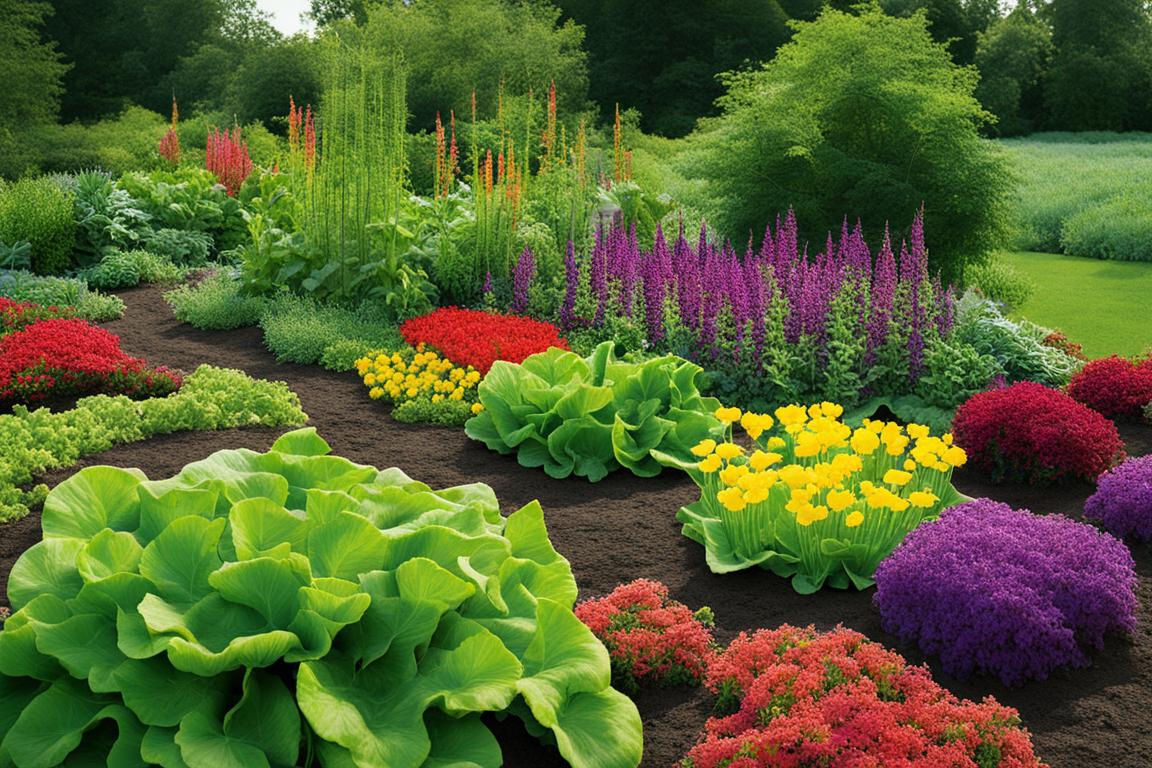
Best Turnip Companion Plants for a Healthy Garden
Are you curious about the best plants to pair with turnips for a thriving and pest-free garden? Discover the fascinating world of turnip companion plants and unlock the potential of your vegetable garden!
Do you want to know the secret to maximizing the growth and productivity of your turnips?
When it comes to companion planting turnips, there are some plants you’ll want to keep close by and others you’ll want to avoid. This article will provide you with a comprehensive guide to the best turnip companion plants that will help you achieve healthier turnips and a more bountiful harvest.
Key Takeaways:
- Choosing the right companion plants for turnips can improve their growth and overall health.
- Brassicas, such as broccoli and kale, are excellent turnip companions and provide mutual benefits.
- Garlic acts as a natural pest deterrent for turnips and can be planted alongside them.
- Peas and beans are great nitrogen-fixing plants that enhance turnip growth and fertility.
- Avoid planting potatoes, onions, fennel, and mustard greens near turnips as they can inhibit their growth.

What Is Companion Planting And What Are The Benefits?
Companion planting is a gardening technique that involves growing two or more plants together for mutual benefit. The plants can be grown in close proximity to each other, intercropping, or they can be planted in alternating rows. The benefits of companion planting are many. Properly chosen companion plants can help each other grow better, provide natural pest control, and increase food production.
“Companion planting is a strategic gardening practice that maximizes the potential of each plant and creates a harmonious ecosystem that benefits all.”
When plants are grown together, they can have a positive effect on each other’s growth and health. Some plants have natural pest-repellent properties or attract beneficial insects that help control pests. For example, marigolds are known to repel harmful nematodes, while attracting pollinators like bees and butterflies. Similarly, planting aromatic herbs like basil and rosemary near vegetables can deter pests while improving the overall flavor of the harvested produce.
In addition to pest control, companion planting can also improve soil fertility and nutrient availability. Nitrogen-fixing plants like legumes, such as beans and peas, have the ability to take nitrogen from the air and convert it into a usable form for other plants. This natural fertilizer helps neighboring plants grow stronger and produce better yields.
Another advantage of companion planting is its ability to maximize limited gardening space. By growing plants together, gardeners can utilize every inch of their garden effectively, ensuring no space goes to waste. This intermingling of plants also helps shade the soil and reduce water evaporation, leading to improved moisture retention and reduced weed growth.
Companion planting is not only beneficial for individual plants but also for the overall ecosystem in the garden. By creating a balanced and diverse garden, the risk of pests and diseases spreading rapidly is minimized. This natural approach reduces the reliance on synthetic pesticides and promotes a healthier environment for both plants and beneficial insects.
Overall, companion planting is a sustainable and rewarding gardening technique that promotes mutual benefit among plants, enhances natural pest control measures, and increases food production. By carefully selecting companion plants and implementing them in your garden, you can create a thriving and harmonious ecosystem that supports the growth and wellbeing of all your plants.
Benefits of Companion Planting:
- Promotes plant growth and health
- Natural pest control
- Increases soil fertility and nutrient availability
- Maximizes limited garden space
- Reduces weed growth and water evaporation
Example of Companion Planting:
For example, planting tomatoes and basil together is a popular companion planting combination. The strong scent of basil repels pests that commonly affect tomatoes, such as aphids and tomato hornworms. In return, the shade provided by the tomato plants helps protect the basil from excessive heat and sun.
Best Companion Plants For Turnip
When it comes to growing turnips, choosing the right turnip companion plants can greatly benefit your garden. By selecting the best companions, you can promote healthy turnip growth, increase yield, and deter pests. Here are some of the top companion plants for turnips:
Brassicas
Brassica plants like broccoli, kale, cauliflower, and Brussels sprouts are excellent companions for turnips. These plants not only offer mutual benefits but also help attract pests away from turnips. Together, they create a harmonious garden ecosystem, supporting each other’s growth.
Garlic
Garlic is another fantastic companion for turnips. its strong scent helps deter pests that target both turnips and garlic. Planting garlic near turnips can provide natural protection against pests, keeping your turnip crop safe and healthy.
Peas and Beans
Peas and beans are nitrogen-fixing plants, which means they convert atmospheric nitrogen into a form that can be absorbed by plants. By growing peas and beans alongside turnips, you provide natural fertilizer that boosts turnip growth. Additionally, their vertical growth habit allows turnips to thrive below ground, making them perfect turnip companion plants.
Nasturtiums
Nasturtiums are excellent companion plants for turnips. These vibrant flowers not only add beauty to your garden but also serve as natural pest repellents.
The strong scent of nasturtiums deters pests, protecting your turnips from potential damage. The flowers also attract beneficial insects that can help pollinate your turnip flowers.
Mint and Catmint
Mint and catmint are effective at repelling pests and attracting beneficial insects to the garden. These aromatic herbs emit a scent that repels pests, reducing the risk of pest infestations on your turnips. However, it’s best to grow mint and catmint in containers to prevent them from taking over the garden.
Thyme
Thyme is another fantastic companion plant for turnips. Its strong fragrance helps repel pests, protecting your turnip crop. Thyme also attracts beneficial insects like ladybugs and hoverflies, which can help control pests in the garden. Consider planting thyme near your turnips to maximize their growth and protection.

Incorporating these turnip companion plants in your turnip garden can help maximize your turnip yield, increase growth, and promote a healthy garden ecosystem. Experiment with different combinations and observe how these companions benefit your turnips. By strategically selecting the right companion plants, you can ensure a successful turnip harvest.
Worst Turnip Companion Plants
When it comes to companion planting for turnips, some plants can hinder their growth and should be avoided. The following are the worst companion plants for turnips:
| Companion Plant | Reason to Avoid |
|---|---|
| Potatoes | Potatoes and turnips compete for space and nutrients, leading to stunted growth for both crops. |
| Onions | Onions and turnips also compete for space and resources, which can limit the growth of both plants. However, onions can be planted a couple of feet away from turnips if desired. |
| Root crops (carrots, parsnips, beets) | These root crops compete with turnips for nutrients and space, potentially inhibiting the growth of all plants involved. |
| Fennel | Fennel releases substances that can inhibit the growth of other plants, including turnips. It is best to keep fennel away from turnips. |
| Mustard greens | While mustard greens are compatible with some plants, they can attract pests that also target turnips, increasing the risk of infestation and disease. |
| Sunflowers | Sunflowers, although beneficial in some cases, can have an allelopathic effect on turnips. They dominate the soil and leave less room for turnip growth. |
By avoiding these companion plants, you can prevent competition for resources and promote healthy turnip growth in your garden.
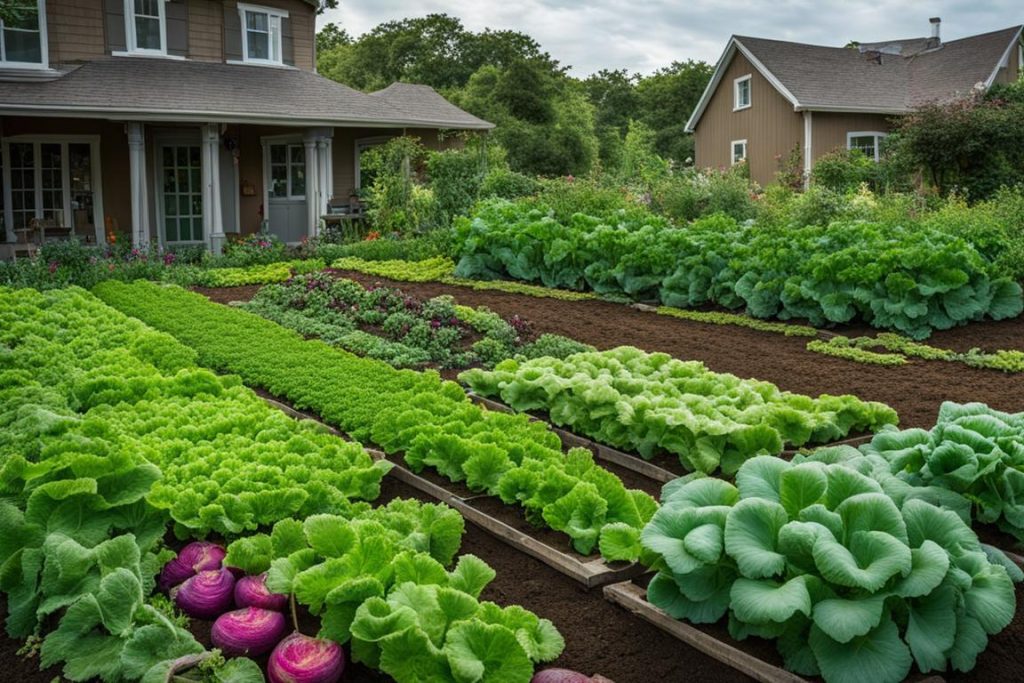
Tips for Growing Turnips
Turnips are a popular cool weather crop that can be grown to perfection with the right care and attention. Whether you’re a beginner or an experienced gardener, these turnip growing tips will help you maximize the growth and yield of your turnips.
Preparing the Soil
Before planting turnips, it’s important to prepare the soil properly to create the perfect growing environment. Turnips thrive in well-drained, nutrient-rich soil. Start by loosening the soil with a garden fork or tiller to a depth of at least 8-10 inches. Remove any weeds, rocks, or debris that may hinder the growth of your turnips.
Next, amend the soil with well-aged compost or organic matter and mulching to improve its fertility and drainage. This will provide the turnips and the turnip companion plants with the essential nutrients they need to grow. Aim for a soil pH level between 5.5 and 6.8, which is optimal for turnip cultivation.
Planting Turnips
Turnips can be planted directly in the garden about 3-4 weeks before the last frost of spring. Sow the seeds about half an inch deep and space them 2-4 inches apart. If you’re planting in rows, leave about 12-18 inches between each row to give the turnips room to grow.
After sowing the seeds, cover them with soil and gently firm the soil over the top. Water the seeds thoroughly to promote germination and ensure the soil remains uniformly moist throughout the growing season.
| Location | Sunlight | Soil Moisture | Fertilizer |
|---|---|---|---|
| Full Sun | 6-8 hours per day | Uniformly moist | Well-aged compost or organic fertilizer |
Caring for Turnips
Turnips require consistent care to ensure optimal growth and yield. Here are some essential turnip care tips:
- Watering: Keep the soil moist, providing at least 1 inch of water per week. Avoid overwatering as it can lead to rotting.
- Weeding: Regularly weed around the turnip plants to remove any unwanted competition for nutrients and space.
- Thinning: If the turnips are crowded, thin them out to ensure adequate space for each plant. Thin them when they have developed their first true leaves, leaving about 2-4 inches between plants.
- Pest Control: Monitor the plants for any signs of pests, such as aphids or flea beetles. Use organic pest control methods, such as handpicking or applying insecticidal soap if necessary.
- Harvesting: Turnips can be harvested when they have reached the desired size, typically around 2-3 inches in diameter. Use a garden fork or gently pull them from the soil. The greens can be harvested at any time for culinary use.
Storing Turnips
Turnips can be stored to enjoy their fresh, crisp flavor even after the growing season. After harvesting, remove the greens, leaving about an inch of stem attached to the root. Store the turnips in a cool, dry place such as a refrigerator for up to 6 weeks. For long-term storage, you can also store turnips in a root cellar with optimal humidity and temperature conditions.

By following these turnip growing tips and providing the right conditions, you can maximize the growth and yield of your turnips. Enjoy the satisfaction of harvesting your own delicious turnips and incorporating them into your favorite recipes.
Conclusion Of Turnip Companion Plants
Companion planting for turnips is a smart and effective strategy to enhance your gardening experience. By selecting suitable turnip companion plants, you can optimize space utilization, boost plant growth, and ward off pests naturally.
Planting the right companions ensures a harmonious garden ecosystem, while avoiding incompatible companions like potatoes and onions can prevent stunted turnip growth. With careful planning, successful turnip planting is well within reach, enabling you to maximize your turnip harvest and enjoy the fruits of your labor.
Incorporating turnip companion plants not only helps deter pests from your turnip patch, but it also attracts beneficial insects that assist in pollination and natural pest control. By harnessing the power of companion planting, you can create a thriving garden environment that supports the health and vitality of your turnips.
To achieve optimal results, prioritize proper planning and attentive care throughout the growing season. With the right companions, successful turnip planting is a rewarding endeavor that can yield a bountiful harvest of fresh and nutritious turnips for your culinary adventures. Embrace the power of turnip companion planting and relish the satisfaction of a flourishing garden!
Get Relief From Toe Pain: Essential Oils for Ingrown Toenails Relief