
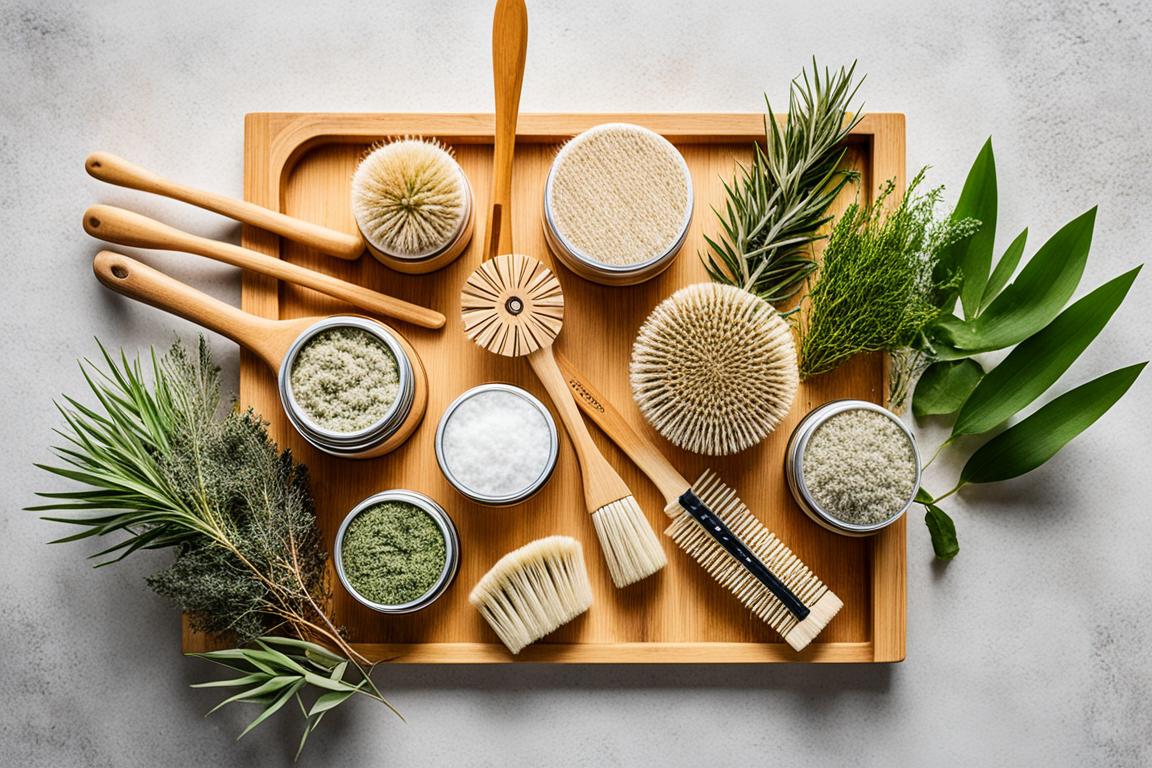
Dry Brush Ayurveda: Radiant Skin & Detox Benefits
Did you know that dry brushing has been a part of traditional Ayurvedic practices for thousands of years? Dry brush Ayurveda is an ancient Ayurvedic technique, also known as garshana, offering numerous benefits for radiant skin and detoxification.
By gently exfoliating the skin and promoting lymphatic flow, dry brush Ayurveda has the power to improve circulation, support detoxification, and enhance overall well-being.
Key Takeaways:
- Dry brush Ayurveda, or garshana, is a traditional Ayurvedic practice for radiant skin and detoxification.
- It involves using a dry brush to gently exfoliate the skin and promote lymphatic flow.
- Dry brushing improves circulation, supports detoxification, and enhances overall well-being.
- This ancient Ayurvedic technique has stood the test of time and continues to gain popularity.
The History of Ayurvedic Dry Brushing
Ayurvedic dry brushing, also known as garshana, is deeply rooted in the ancient wisdom of Ayurveda. Ayurveda, a 5,000-year-old spiritual tradition, emphasizes the importance of understanding the nature of life itself. Dry brushing, or garshana, is a traditional Ayurvedic treatment that can be done at home to support overall health and well-being.
It has been used for centuries to promote the movement of lymph, which is a passive system responsible for fluid balance, immune function, and waste removal. By incorporating dry brushing into your daily routine, you can harness the power of this ancient Ayurvedic practice to enhance your skin’s health and detoxification processes.
Ayurvedic Dry Brushing in History
The history of Ayurvedic dry brushing dates back thousands of years to ancient India. In Ayurveda, the skin is considered the largest organ and plays a crucial role in maintaining overall health and well-being. The practice of dry brushing, or garshana, was developed as a way to stimulate the skin and promote its vitality.
Ayurvedic texts, such as the Charaka Samhita and Sushruta Samhita, provide detailed instructions on dry brushing techniques, highlighting its benefits for the body and mind. The garshana brush, typically made from natural materials such as raw silk or natural bristles, is used to gently exfoliate the skin, improve circulation, and support lymphatic flow in the dry brush Ayurveda practice.
Ancient Ayurvedic practitioners recognized that regular dry brushing helps remove dead skin cells, unclog pores, and enhance the skin’s natural detoxification processes. The practice was also believed to balance the doshas, the unique elemental energies within each individual, leading to improved overall health and vitality.
The Modern Revival of Ayurvedic Dry Brushing
In recent years, there has been a resurgence of interest in Ayurvedic practices, including dry brushing. As people seek natural and holistic approaches to wellness, Ayurveda has gained recognition for its time-tested principles and unique self-care rituals.
Ayurvedic dry brushing has become a popular addition to modern wellness routines, thanks to its multitude of benefits and ease of incorporation. Its ability to improve lymphatic flow, enhance circulation, exfoliate the skin, and support detoxification resonates with individuals who prioritize a holistic approach to self-care.
Health and beauty enthusiasts worldwide have embraced Ayurvedic dry brushing as a simple yet effective way to enhance skin health and overall well-being. With its rich history and proven benefits, Ayurvedic dry brushing continues to be a transformative practice for those seeking radiant skin, improved lymphatic function, and a deeper connection to ancient wisdom.
| Ancient Ayurvedic Dry Brushing | Modern Revival of Ayurvedic Dry Brushing |
|---|---|
| Practiced for thousands of years | Gaining popularity in recent years |
| Emphasized lymphatic flow and detoxification | Recognized for its holistic benefits |
| Used natural materials like raw silk or natural bristles | Preferred for its simplicity and ease of incorporation |
| Believed to balance the doshas and promote vitality | Appreciated for its ability to enhance skin health and well-being |
The Benefits of Dry Brushing

Dry brushing offers a multitude of benefits for the body, mind, and spirit. This Ayurvedic practice has been revered for centuries for its ability to promote overall well-being and enhance the body’s natural detoxification processes.
Promotes Lymphatic Flow and Detoxification
One of the primary benefits of dry brushing is its ability to stimulate the lymphatic system, which plays a crucial role in detoxification. The lymphatic system is responsible for removing waste, toxins, and cellular debris from the body. By gently brushing the skin, the dry brush ayurveda practice helps to activate lymphatic flow and support the body’s detoxification processes. This, in turn, promotes a healthy immune system and overall vitality.
Improves Circulation
Dry brushing also enhances circulation throughout the body. The brushing action stimulates blood flow, bringing oxygen and nutrients to the skin and underlying tissues. Improved circulation can contribute to a healthy complexion, as well as alleviate common issues such as cold hands and feet.
Exfoliates the Skin
Exfoliation is a key benefit of dry brushing. The gentle friction of the brush helps to remove dead skin cells, revealing smoother and softer skin. Regular exfoliation can also help to unclog pores, prevent ingrown hairs, and promote a youthful glow.
May Reduce the Appearance of Cellulite
Dry brushing has gained a reputation for its potential to reduce the appearance of cellulite. While results may vary, the mechanical action of brushing may help to break up the accumulated toxins and fluid that contribute to cellulite. Regular dry brushing, combined with a healthy diet and exercise, can support smoother-looking skin.
To fully understand the benefits of dry brushing, let’s explore the lymphatic system in more detail.
| Benefits of Dry Brushing | Key Points |
|---|---|
| Promotes lymphatic flow and detoxification | Stimulates the lymphatic system to remove waste and toxins from the body |
| Improves circulation | Enhances blood flow, delivering oxygen and nutrients to the skin |
| Exfoliates the skin | Removes dead skin cells, revealing smoother and softer skin |
| May reduce the appearance of cellulite | Potential to break up accumulated toxins and fluid that contribute to cellulite |
How to Perform Ayurvedic Dry Brushing
Ayurvedic dry brushing, also known as garshana, is a simple technique that can be easily incorporated into your daily routine. By following these steps, you can experience the benefits of this traditional Ayurvedic practice.
- Choose the right brush: You will need a dry brush with natural bristles or raw silk gloves. These materials help to exfoliate the skin, promote circulation, and stimulate the lymphatic system.
- Start at your feet: Begin by brushing your feet and ankles, moving upwards towards your heart. Use long, fluid strokes and brush in the direction of your heart. This helps to promote lymphatic flow and detoxification.
- Work your way up: Continue to brush your legs, buttocks, abdomen, back, chest, and arms, always brushing towards the heart. Remember to use gentle circular motions on sensitive areas and avoid brushing over open wounds, irritated skin, or inflamed areas.
- Repeat daily: For best results, perform dry brushing in the morning before showering. This invigorating practice can help awaken your senses and prepare you for the day ahead.
Dry brushing is a self-care ritual that offers numerous benefits for your skin and overall well-being. By incorporating this Ayurvedic technique into your daily routine, you can improve circulation, promote lymphatic flow, and support your body’s natural detoxification processes.
Frequency and Considerations for Dry Brush Ayurveda
The frequency of your dry brush ayurveda routine may vary depending on individual needs and skin sensitivity. Some individuals can safely dry brush every day, while others may need to start with once a week and gradually increase the frequency. It is essential to listen to your body and adjust your dry brushing routine accordingly.
However, there are certain contraindications to be aware of. Dry brushing should be avoided on sensitive or inflamed skin, open wounds, skin conditions such as eczema or psoriasis, and during acute illnesses. If your skin becomes irritated or inflamed, it is crucial to stop dry brushing and consult with a dermatologist.
Additionally, it is not recommended to dry brush the face as facial skin is more sensitive. To protect and maintain the health of your skin, it is important to be mindful of your skin’s needs and adjust your dry brushing routine accordingly.
| Contraindications for Dry Brushing | Sensitive Skin | Open Wounds | Skin Conditions |
|---|---|---|---|
| Avoid dry brushing on sensitive or delicate skin. | Do not dry brush over open wounds or broken skin. | Avoid dry brushing if you have skin conditions like eczema or psoriasis. | Avoid dry brushing during acute illnesses, such as flu or fever. |
The Spiritual Benefits of Dry Brushing
In addition to its physical benefits, dry brushing holds spiritual significance in Ayurveda. This ancient practice is believed to promote a sense of connection to oneself and the environment.
Dry brush ayurveda can serve as a meditative ritual, allowing individuals to slow down, become present in the moment, and cultivate a deeper awareness of their body. By incorporating dry brushing into your self-care routine, you can experience not only physical rejuvenation but also spiritual nourishment and a deeper connection to your inner self.

| Benefits of Dry Brushing | Spiritual Significance |
|---|---|
| Improves circulation | Enhances energy flow and vitality |
| Promotes lymphatic flow | Clears stagnant energy and supports detoxification |
| Exfoliates the skin | Renews and rejuvenates the outer layer, symbolizing shedding of old habits or patterns |
| Creates a ritualistic self-care practice | Allows for mindfulness and self-reflection |
| Connects mind, body, and spirit | Fosters a deeper sense of self-awareness and harmony |
By engaging in dry brushing as a spiritual practice, you can create a sacred space for self-care and reconnect with your inner self. Embracing this ancient technique in conjunction with Ayurvedic principles enhances not only your physical well-being but also your spiritual growth and overall sense of balance.
Dry Brushing and Detoxification
Dry brushing is a powerful tool for supporting the body’s natural detoxification processes. It involves gently brushing the skin with a dry brush, and this technique offers numerous benefits, particularly for individuals experiencing symptoms of toxic overload or imbalances. By stimulating the lymphatic system, which plays a crucial role in the body’s detoxification, dry brushing promotes the elimination of toxins, waste, and excess fluid.
The lymphatic system is responsible for removing cellular waste, toxins, and other impurities from the body. When this system is not functioning optimally, toxins can accumulate, leading to various health issues. In Ayurveda, these toxins are referred to as “ama.” Dry brushing helps enhance lymphatic flow, which aids in the removal of ama from the body, supporting the body’s natural detoxification processes.
The gentle brushing motion stimulates the lymphatic vessels, allowing them to carry waste and toxins away more effectively. This can result in improved circulation and a reduction in fluid retention. Regular dry brushing can also help decrease inflammation and support overall lymphatic health.
| Benefits of Dry Brushing for Detoxification |
|---|
| Enhances lymphatic flow |
| Promotes elimination of toxins and waste |
| Reduces fluid retention |
| Improves circulation |
| Supports overall lymphatic health |
A regular dry brushing routine can be a valuable addition to your self-care practice, helping to optimize the body’s detoxification processes and promote overall well-being.
The Ayurvedic Doshas and Dry Brushing
In Ayurveda, each individual is classified into one or a combination of three doshas: Kapha, Pitta, and Vata. These doshas represent different energy patterns and characteristics within the body and mind. Understanding your predominant dosha can help tailor your self-care practices, including dry brushing, to better support your unique needs.
Kapha Dosha
Kapha types are characterized by the earth and water elements, which make them prone to heaviness, sluggishness, and stagnation. Daily dry brushing can be highly beneficial for Kapha individuals, as it helps stimulate and invigorate their energy. The exfoliating and detoxifying effects of dry brushing can help balance Kapha’s natural tendency towards congestion and excess fluid accumulation.
Pitta Dosha
Pitta types have a fiery nature and are prone to heat and inflammation. They benefit from dry brushing 4-5 times per week to avoid overstimulation of their already active metabolism. Dry brushing can cool and balance Pitta, while promoting circulation and lymphatic flow. It can also help reduce inflammation and calm Pitta-related skin conditions.
Vata Dosha
Vata types have a predominance of air and space elements, making them prone to dryness, cold, and instability. Dry brushing 2-4 times per week can help ground and nurture Vata individuals. The gentle exfoliation and stimulation of dry brushing can improve circulation and nourish the skin, helping to combat Vata’s tendency towards dryness and roughness.
It is important to note that everyone has a unique doshic constitution, and it is common to have a combination of doshas. It is recommended to consult with an Ayurvedic practitioner to determine your specific dosha(s) and receive personalized recommendations for incorporating dry brush ayurveda into your self-care routine.
Dry Brushing and Other Ayurvedic Practices
Dry brushing can be complemented by other Ayurvedic practices to enhance its benefits. Incorporating dry brushing before a massage can further promote lymphatic drainage and detoxification. Dry brushing can also be beneficial when combined with thermography, a test that detects heat patterns and blood flow in the body’s tissues.
This combination can provide valuable insights into lymphatic stagnation and overall health. By integrating dry brushing with other Ayurvedic practices, you can create a holistic approach to well-being and support your body’s natural healing mechanisms.
Combining dry brush ayurveda with massage can amplify the benefits of both practices. Massage helps to relieve muscle tension, improve blood flow, and promote relaxation. When paired with dry brushing, massage can enhance lymphatic drainage by stimulating the flow of lymphatic fluid throughout the body. This can further support the body’s detoxification processes and improve overall well-being.
Comparing Dry Brushing and Massage
| Dry Brushing | Massage |
|---|---|
| Stimulates lymphatic flow | Improves blood circulation |
| Exfoliates the skin | Relieves muscle tension |
| Promotes detoxification | Promotes relaxation |
| Enhances overall well-being | Reduces stress and anxiety |
In addition to massage, thermography can be a valuable tool when combined with dry brushing. Thermography is a non-invasive imaging technique that detects heat patterns and blood flow in the body’s tissues.
By utilizing thermography before and after dry brushing, you can visually assess the effectiveness of the dry brushing technique in improving lymphatic flow and overall health. This integration of practices allows for a deeper understanding of lymphatic stagnation and can guide further adjustments to optimize overall well-being.
Comparing Dry Brushing and Thermography
| Dry Brushing | Thermography |
|---|---|
| Stimulates lymphatic flow | Detects heat patterns in tissues |
| Promotes detoxification | Assesses lymphatic function |
| Improves skin health | Provides insights into overall health |
| Enhances overall well-being | Guides further adjustments to optimize health |
By incorporating dry brushing with massage and thermography, you can embrace a multi-faceted approach to well-being. These complementary practices work synergistically to support your body’s natural healing mechanisms, optimize lymphatic flow, promote detoxification, and enhance overall health and vitality.
Conclusion
Dry brush Ayurveda, or garshana, is an ancient Ayurvedic practice that has stood the test of time and continues to gain popularity for its numerous benefits. By incorporating dry brushing into your self-care routine, you can experience radiant skin and enhance your overall well-being.
Dry brushing promotes lymphatic flow, which plays a crucial role in detoxifying the body and maintaining a healthy immune system. By gently exfoliating the skin, improving circulation, and supporting detoxification, dry brush Ayurveda helps remove waste, toxins, and cellular debris from the body.
Whether you are looking to achieve glowing skin or support your body’s natural detoxification processes, dry brush Ayurveda offers a time-tested approach to optimal health and vitality. Embrace this ancient practice and unlock the transformative power of dry brushing for radiant skin and inner balance.
Have a Luxurious Bath Experience: Bath Bombs With Shea Butter