
Pea Protein vs Hemp Protein: Nutrient Face-Off
Are you considering adding plant-based protein to your diet? If so, you’ve likely come across pea protein and hemp protein as popular options. Pea protein vs Hemp protein – which one should you choose? Do they offer similar health benefits, or are there distinct differences between them?
In this article, we will delve into the nutrient profiles, amino acid profiles, and health benefits of pea protein and hemp protein. Armed with this knowledge, you’ll be able to make an informed decision on which protein is best suited for your plant-based nutrition goals.
What is Pea Protein?
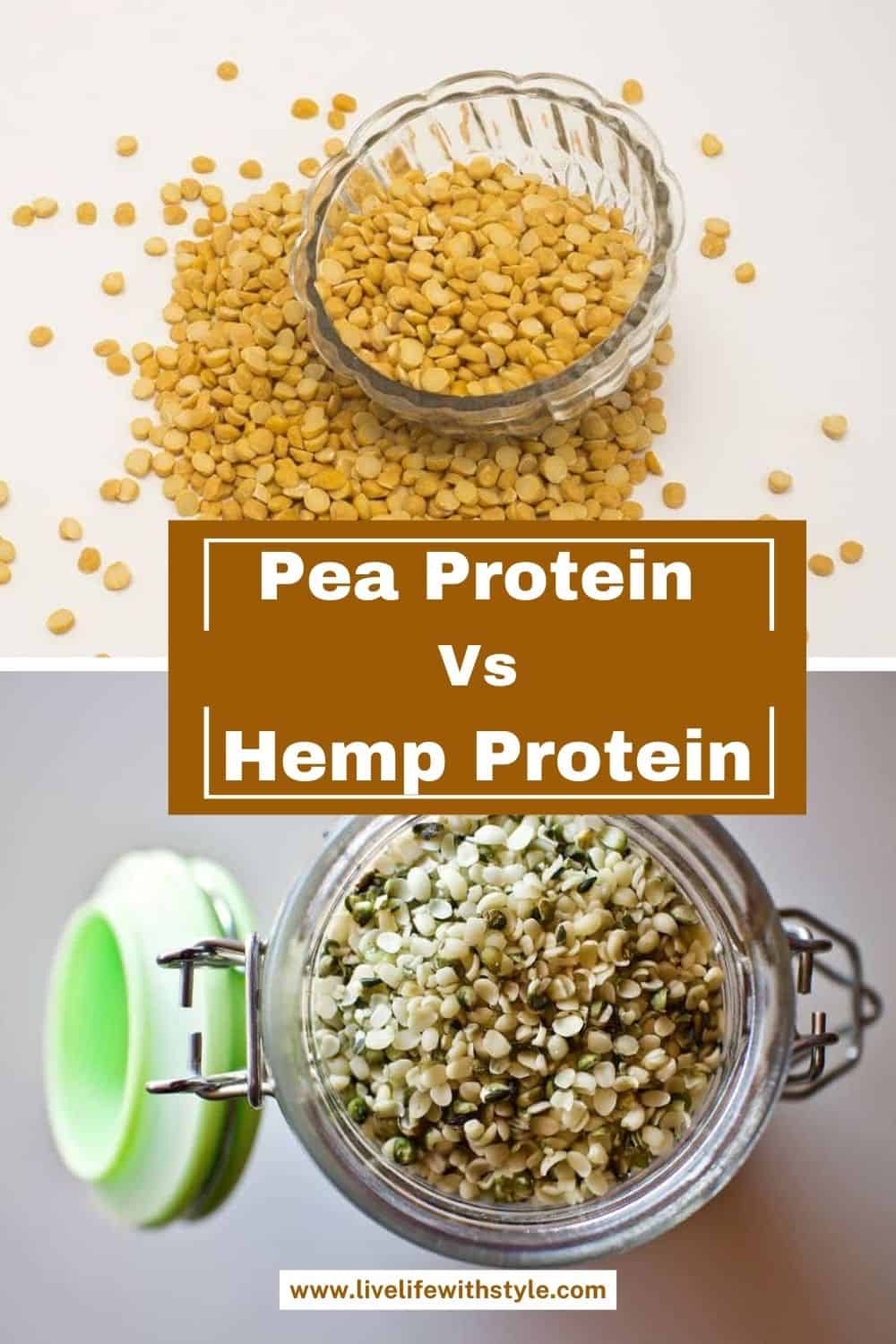
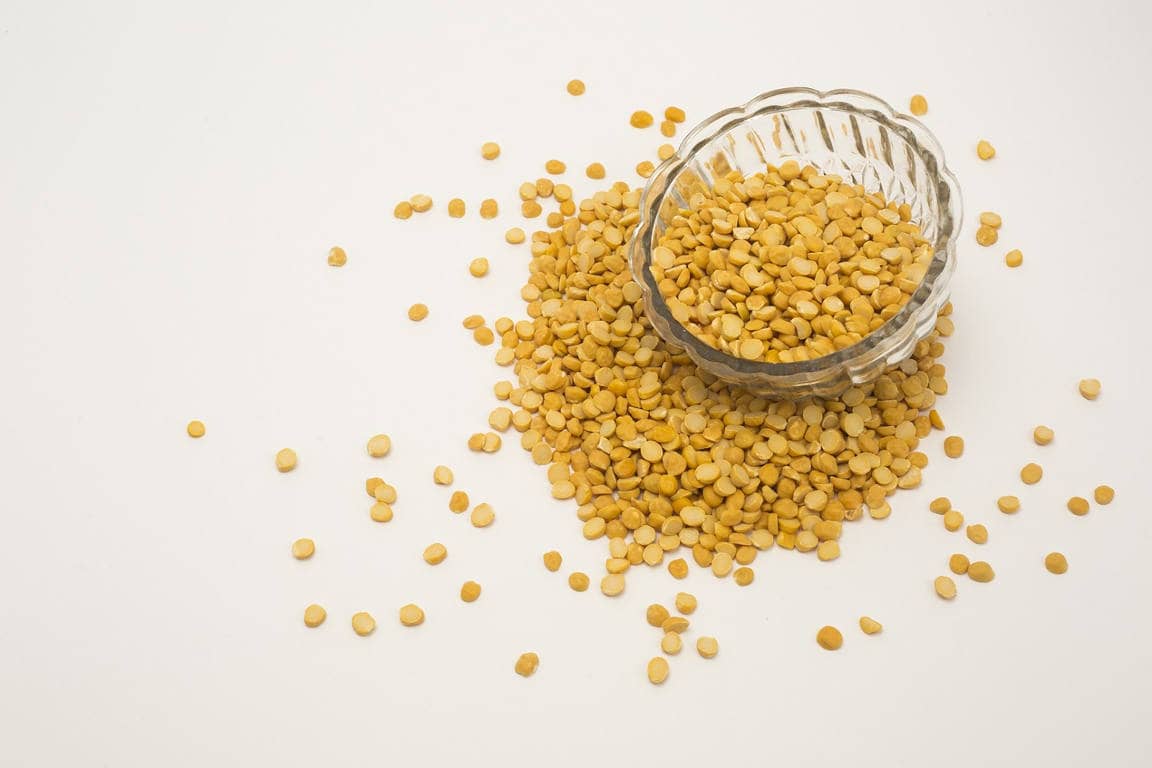
Pea protein is a plant-based protein derived from yellow split peas. It is commonly available as a protein powder and is a great source of plant protein. Pea protein contains all nine essential amino acids, making it a complete protein. It is often used as a vegan protein powder and is suitable for individuals following a plant-based diet.
Nutrient Profile of Pea Protein Powder
| Nutrient | Amount per Serving |
|---|---|
| Protein | 20 grams |
| Calories | 100 |
| Fat | 2 grams |
| Carbohydrates | 2 grams |
| Fiber | 1 gram |
Pea protein powder offers an excellent protein content per serving, making it a suitable choice for those looking to increase their protein intake. It is also low in calories, fat, and carbohydrates, making it a versatile option for various dietary goals.
Benefits of Pea Protein
- Complete protein source containing all nine essential amino acids
- Easily digestible
- Hypoallergenic, suitable for individuals with common allergies or dietary restrictions
- Promotes muscle growth and recovery
- May aid in weight loss and promote satiety
Pea protein is a popular choice among vegans and individuals seeking a high-quality plant protein. Its nutritional profile and essential amino acids make it a valuable addition to a balanced diet.
What is Hemp Protein?
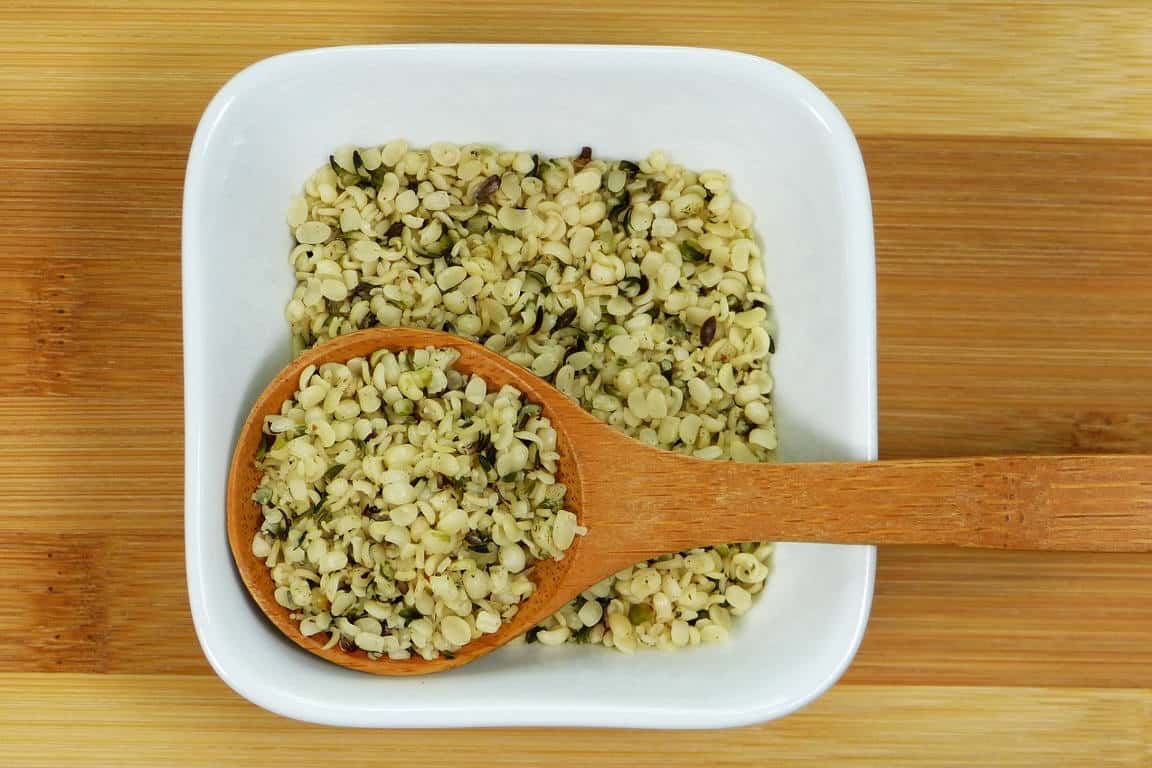
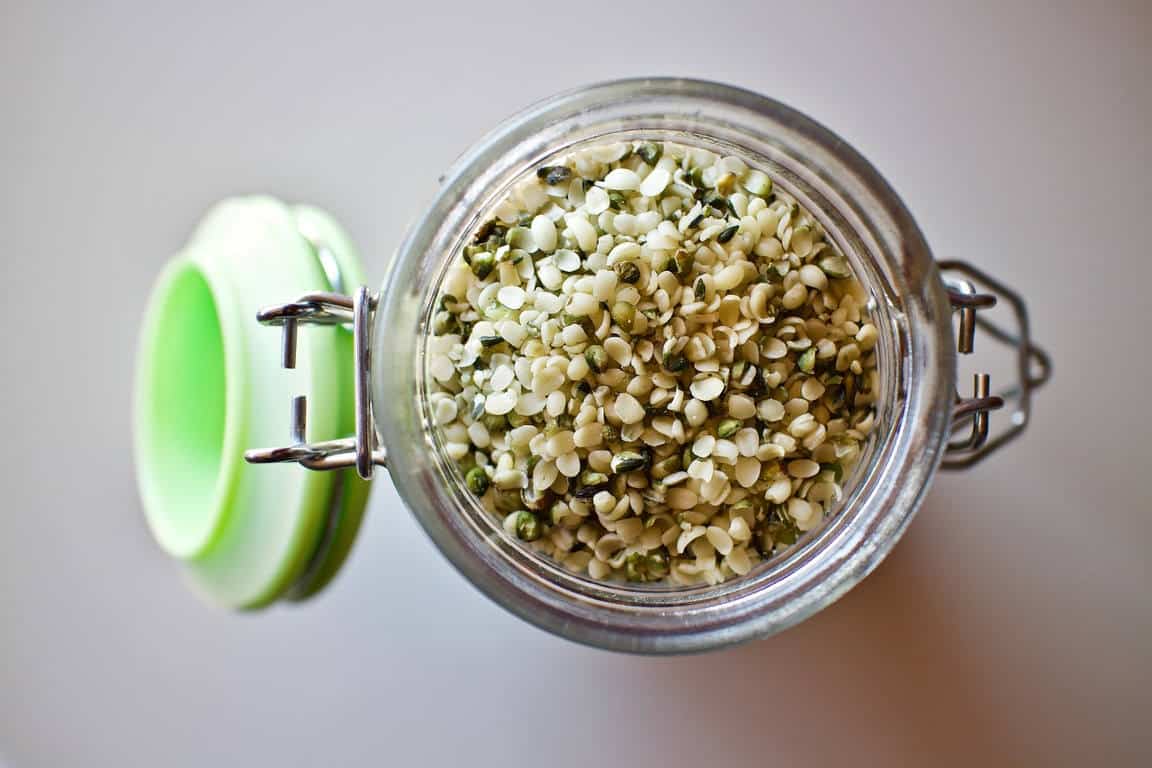
Hemp protein is a plant-based protein derived from hemp seeds. It is a popular choice for individuals looking for a plant-based protein source. Hemp protein is available as a protein powder and is widely used by vegans and those with dietary restrictions.
Hemp protein is classified as a complete protein, meaning it contains all nine essential amino acids required by the body. It is rich in plant protein, making it an excellent choice for individuals seeking a protein supplement sourced from plants.
Compared to other protein sources, hemp protein is particularly beneficial due to its complete amino acid profile and high nutritional content. It provides both essential and non-essential amino acids necessary for muscle repair, growth, and overall well-being.
The Nutritional Benefits of Hemp Protein
Hemp protein offers a wide range of nutritional benefits:
- Complete Protein: Hemp protein contains all nine essential amino acids, making it a complete protein source.
- Plant-Based: It is suitable for individuals following a plant-based diet, such as vegans and vegetarians.
- Rich in Fiber: Hemp protein is high in dietary fiber, which supports healthy digestion and promotes satiety.
- Healthy Fats: It contains omega-3 and omega-6 fatty acids, which contribute to heart health and reduce inflammation.
- Essential Minerals: Hemp protein is a good source of essential minerals like magnesium, iron, and zinc.
To provide a clearer understanding of the nutritional composition of hemp protein, refer to the table below:
| Nutrient | Quantity per 30g Serving |
|---|---|
| Protein | 15g |
| Fiber | 8g |
| Healthy Fats | 8g |
| Iron | 20% of the Daily Value (DV) |
| Magnesium | 45% of the DV |
| Zinc | 25% of the DV |
As shown in the table, hemp protein powder provides a significant amount of protein, fiber, healthy fats, and essential minerals per serving. It is a versatile and nutritious option for individuals seeking to incorporate plant protein into their diet.
Nutritional Comparison
When comparing the nutritional profiles of pea protein vs hemp protein powders, there are slight differences that can help you make an informed decision about which one to choose.
Pea protein powder is known for its high protein content per serving. It is a great option for individuals looking to increase their protein intake. Additionally, pea protein powder is relatively low in carbohydrates and sugar, making it suitable for those on a low-carb or sugar-restricted diet.
Hemp protein powder, on the other hand, offers more than just protein. It is rich in fiber and contains healthy fats like omega-3 fatty acids. This makes hemp protein powder an excellent choice for individuals who want to incorporate more fiber and healthy fats into their diet. Like pea protein powder, hemp protein powder is also low in carbohydrates and sugar.
To help visualize the nutritional differences between pea protein powder and hemp protein powder, refer to the table below:
Nutritional Comparison of Pea Protein Powder and Hemp Protein Powder
| Nutrients | Pea Protein Powder | Hemp Protein Powder |
|---|---|---|
| Protein | High | Moderate |
| Fiber | Low | High |
| Carbohydrates | Low | Low |
| Sugar | Low | Low |
| Fat | Low | Moderate |
As you can see, pea protein powder tends to have a higher protein content per serving, while hemp protein powder contains more fiber and healthy fats. Both options offer a low carbohydrate and sugar content, making them suitable for various dietary needs.
Ultimately, the choice between pea protein powder and hemp protein powder depends on your specific nutritional requirements and preferences.
Amino Acid Profiles
Pea protein and hemp protein have distinct amino acid profiles that contribute to muscle repair and growth. Both proteins contain all nine essential amino acids necessary for proper bodily function. Pea protein, in particular, offers a well-rounded amino acid profile, including essential branched-chain amino acids (BCAAs) such as leucine, isoleucine, and valine. These BCAAs play a crucial role in muscle synthesis and recovery. On the other hand, while hemp protein also contains all nine essential amino acids, it may have lower levels of certain amino acids, such as lysine, compared to pea protein.
Amino acids are the building blocks of protein, and consuming a variety of amino acids is key to maintaining optimal health. Let’s take a closer look at the amino acid composition of pea protein vs hemp protein in the table below:
| Amino Acids | Pea Protein | Hemp Protein |
|---|---|---|
| Alanine | 1.6g | 1.9g |
| Arginine | 3.5g | 6.8g |
| Aspartic Acid | 4.1g | 6.3g |
| Cysteine | 0.3g | 0.7g |
| Glutamic Acid | 5.7g | 16g |
| Glycine | 1.6g | 3.1g |
| Histidine | 0.9g | 1.5g |
| Isoleucine | 1.9g | 2.4g |
| Leucine | 3.9g | 3.8g |
| Lysine | 3.2g | 2.8g |
| Methionine | 0.4g | 0.8g |
| Phenylalanine | 2.6g | 2.5g |
| Proline | 1.5g | 2g |
| Serine | 1.9g | 2.3g |
| Threonine | 1.4g | 1.5g |
| Tryptophan | 0.3g | 0.8g |
| Tyrosine | 1.6g | 2g |
| Valine | 2.4g | 2g |
As you can see, both pea protein and hemp protein provide a diverse array of amino acids that support various bodily functions. Incorporating either protein into your diet can help meet your essential amino acid needs and support overall health.
Health Benefits
Both pea protein and hemp protein offer a range of health benefits. Pea protein has been extensively studied for its positive effects on muscle growth and repair. It contains essential amino acids, including branched-chain amino acids (BCAAs) like leucine, isoleucine, and valine, which are crucial for muscle development and recovery.
Apart from its muscle-building properties, pea protein has also been associated with weight loss and appetite control. Due to its high protein content, consuming pea protein can help increase feelings of fullness and reduce calorie intake, making it an excellent addition to a weight management program.
Pea protein is known for its hypoallergenic nature, making it suitable for individuals with food allergies or sensitivities. It is also easily digestible, providing a gentle option for those with digestive issues.
On the other hand, hemp protein boasts a unique nutrient profile that sets it apart. It is rich in dietary fiber, which plays a crucial role in digestive health, regulating bowel movements, and promoting feelings of satiety. The fiber content in hemp protein can help improve digestion, prevent constipation, and support overall gut health.
Furthermore, hemp protein is a good source of omega-3 fatty acids, which have been linked to heart health. These essential fats help reduce inflammation in the body, support brain function, and may even lower the risk of chronic diseases such as cardiovascular disease.
Moreover, hemp protein contains essential minerals like magnesium, zinc, and iron, which contribute to various bodily functions such as energy production, immune system function, and oxygen transport.
To summarize, pea protein offers benefits such as muscle growth, weight management, and hypoallergenic properties, while hemp protein provides advantages like improved digestion, heart health, and a rich nutrient profile including omega-3 fatty acids and essential minerals.
| Pea Protein | Hemp Protein | |
|---|---|---|
| Supports Muscle Growth | ✓ | – |
| Aids Weight Loss | ✓ | – |
| Promotes Satiety | ✓ | – |
| Improves Digestion | – | ✓ |
| Supports Heart Health | – | ✓ |
| Rich in Omega-3 Fatty Acids | – | ✓ |
| Essential Mineral Content | – | ✓ |
Disadvantages of Hemp Protein
While hemp protein offers numerous health benefits, it does come with a few disadvantages. It is important to be aware of these factors before choosing hemp protein as your protein powder of choice.
Gritty Texture and Earthy Flavor: One of the main drawbacks of hemp protein powder is its gritty texture and earthy flavor. Some individuals may find the texture unpleasant, as it can be grainy and not as smooth as other protein powders. The earthy flavor may also be an acquired taste and may not appeal to everyone.
Allergy Concerns: Another consideration is that hemp protein may not be suitable for individuals with hemp allergies or sensitivities. It is important to be cautious if you have any known allergies or sensitivities to hemp. If you are unsure, it is recommended to consult with a healthcare professional before adding hemp protein powder to your diet.
Despite these disadvantages, hemp protein still offers a viable plant-based protein option for many individuals. It is rich in essential amino acids, fiber, and healthy fats, making it a valuable addition to a balanced diet.
Summary:
While hemp protein has its drawbacks, such as the gritty texture, earthy flavor, and potential allergy concerns, it remains a beneficial choice for those seeking a plant-based protein option. Consider your personal preferences and any dietary restrictions when choosing a protein powder.
Pea Protein and Bloating
When incorporating pea protein into their diets, some individuals may experience digestive issues such as bloating. This can be attributed to the high fiber content in pea protein powder, which can have a bulking effect in the digestive system.
It is important to note that not everyone will experience bloating when consuming pea protein, and the severity of bloating may vary from person to person. Factors such as individual sensitivity, overall diet, and serving size can all play a role in how the body responds to pea protein.
If you are prone to digestive issues or are new to pea protein, it is advised to start with a smaller serving size and gradually increase it as tolerated. This can help your body adjust to the fiber content and minimize the likelihood of experiencing bloating or other discomfort.
Remember, everyone’s digestive system is unique, and what works for one person may not work for another. It’s always a good idea to listen to your body and make adjustments accordingly.
Pea Protein Bloating Tips:
- Start with a smaller serving size and gradually increase as tolerated.
- Ensure you are consuming adequate amounts of water to support digestion.
- Consider the source and quality of the pea protein powder you are using.
- If symptoms persist or worsen, consult with a healthcare professional.
Summary:
Bloating can be a potential side effect of consuming pea protein due to its high fiber content. However, not everyone will experience bloating, and it may vary from person to person. By starting with smaller serving sizes and making adjustments as needed, individuals can minimize the likelihood of experiencing bloating and enjoy the benefits of pea protein.
| Causes of Pea Protein Bloating | Ways to Manage Bloating |
|---|---|
|
|
Is Hemp Protein a Complete Protein?
Yes, hemp protein is considered a complete protein. It contains all nine essential amino acids that the body needs to function properly. While hemp protein may have lower levels of certain amino acids compared to other protein sources, it still provides a well-rounded amino acid profile.
Hemp protein can be a valuable addition to a plant-based diet, offering a range of health benefits and supporting overall nutrition. Its complete protein content makes it an excellent choice for individuals looking for plant-based protein options.
To understand the completeness of hemp protein as a protein source, let’s take a closer look at its amino acid profile:
Hemp Protein Amino Acid Profile:
| Amino Acid | Content (per 100g) |
|---|---|
| Lysine | 540mg |
| Leucine | 2400mg |
| Isoleucine | 950mg |
| Valine | 1000mg |
| Methionine | 700mg |
| Phenylalanine | 1650mg |
| Threonine | 800mg |
| Tryptophan | 200mg |
| Histidine | 660mg |
Hemp protein’s amino acid profile demonstrates that it contains all nine essential amino acids, including the branched-chain amino acids (BCAAs) leucine, isoleucine, and valine. These essential amino acids play important roles in muscle repair, growth, and overall health.
So, if you’re looking for a complete protein source for your plant-based diet, hemp protein is a great option to consider. Its diverse nutrient composition and comprehensive amino acid profile make it a valuable addition to your nutritional routine.
Choosing the Right Protein for You
When deciding between pea protein vs hemp protein, it is essential to consider your dietary needs, personal preferences, and goals. Both proteins offer unique benefits and can be incorporated into a balanced diet. Consider factors such as taste, texture, nutritional content, and any specific dietary restrictions or allergies you may have.
If you are looking for a protein powder with a higher protein content per serving, pea protein may be the better choice for you. It is a complete protein, containing all nine essential amino acids, including branched-chain amino acids (BCAAs) like leucine, isoleucine, and valine. Pea protein is easily digestible, making it suitable for individuals with sensitive stomachs.
On the other hand, if you are seeking a protein powder that offers additional fiber and healthy fats, hemp protein might be more suitable. Hemp protein is also a complete protein, providing all nine essential amino acids. It is rich in omega-3 fatty acids, which support heart health, and fiber, which aids in digestion and promotes feelings of satiety.
Experimenting with different options is key to finding the protein powder that works best for you. Consider trying both pea protein and hemp protein to see which one aligns with your taste preferences, dietary needs, and personal goals. Keep in mind that individual responses to protein powders may vary, so listen to your body and choose the one that makes you feel your best.
Pea Protein Vs Hemp Protein Comparison Table
| Factors | Pea Protein | Hemp Protein |
|---|---|---|
| Protein Content per Serving | High | Moderate |
| Fiber Content | Low | High |
| Fat Content | Low | Moderate |
| Amino Acid Profile | Complete with BCAAs | Complete |
| Digestibility | High | Moderate |
| Allergenicity | Low | Low |
Summary Of Pea Protein Vs Hemp Protein
In summary, both pea protein and hemp protein are nutritious options for individuals looking for plant-based protein sources. They provide unique benefits that can support various dietary choices and health goals.
When it comes to nutrient comparison, pea protein stands out as a complete protein, offering all nine essential amino acids necessary for optimal health. It is also known for its higher protein content per serving, making it an ideal choice for those aiming to build muscle or meet their protein requirements.
On the other hand, hemp protein offers additional benefits in the form of fiber and healthy fats. Its fiber content promotes digestive health and aids in maintaining a healthy weight. The inclusion of healthy fats, such as omega-3 fatty acids, contributes to heart health and helps reduce inflammation in the body.
When making dietary choices, consider your specific needs and preferences. If you prioritize muscle growth and protein intake, pea protein may be the ideal choice for you. If you value fiber content and overall nutrient density, hemp protein can be a valuable addition to your diet. Ultimately, the choice between pea protein vs hemp protein depends on your individual goals and preferences.
Further Interesting Reading: Maurice Lacroix Watches